Collaborations
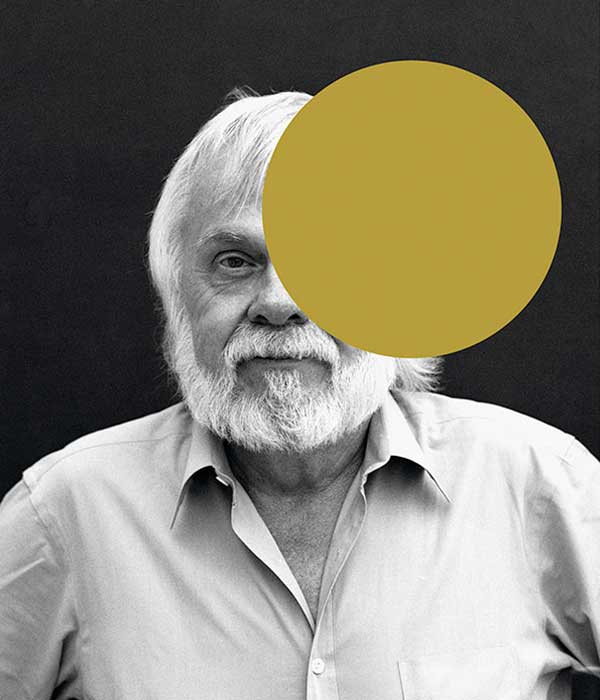
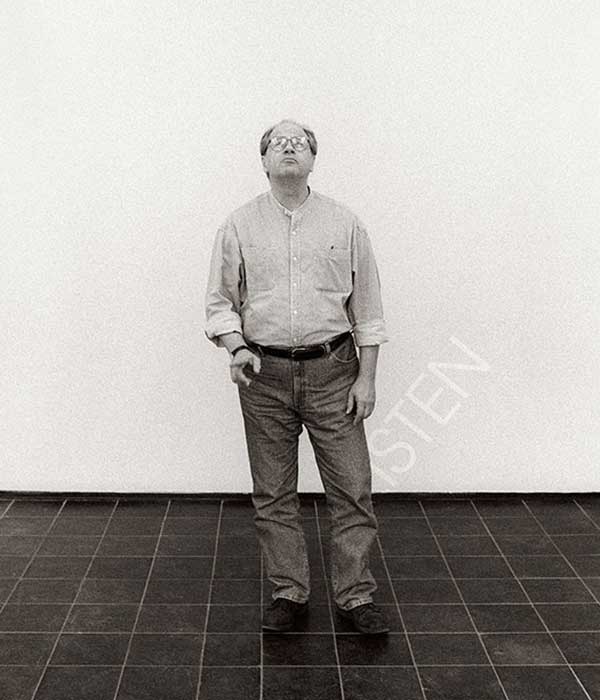
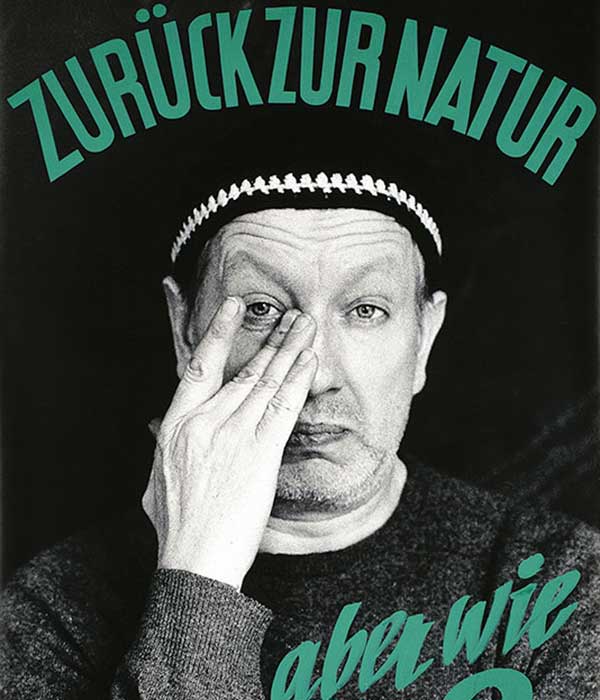
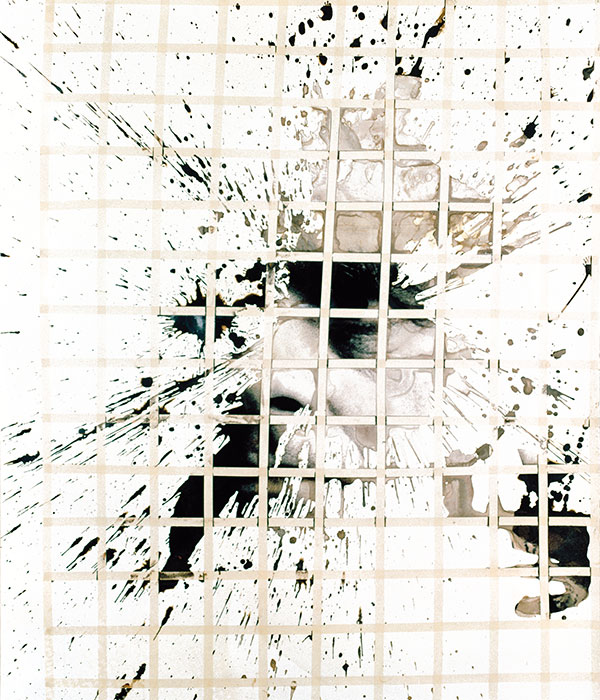
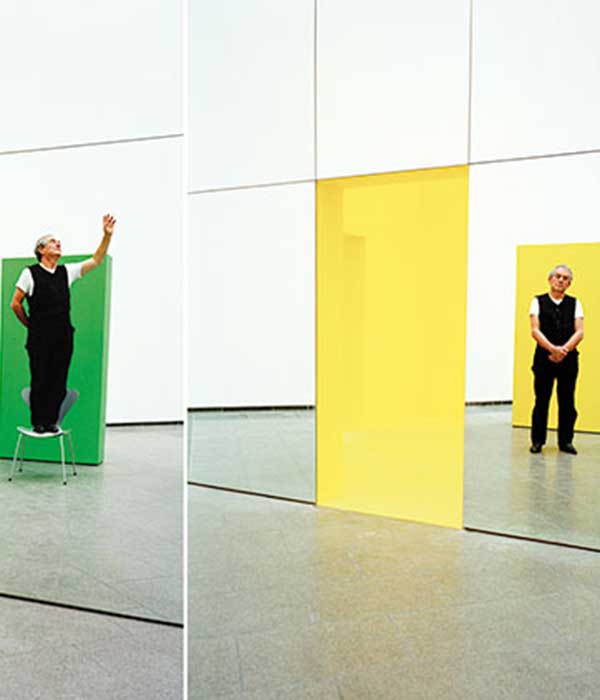
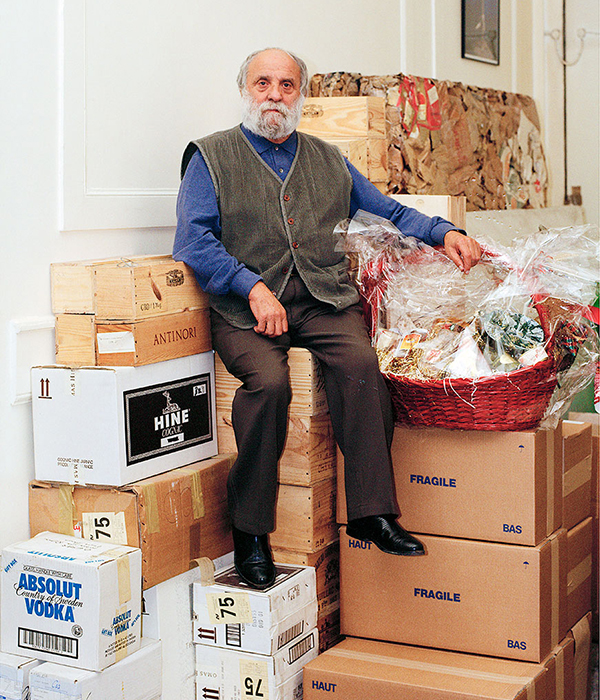
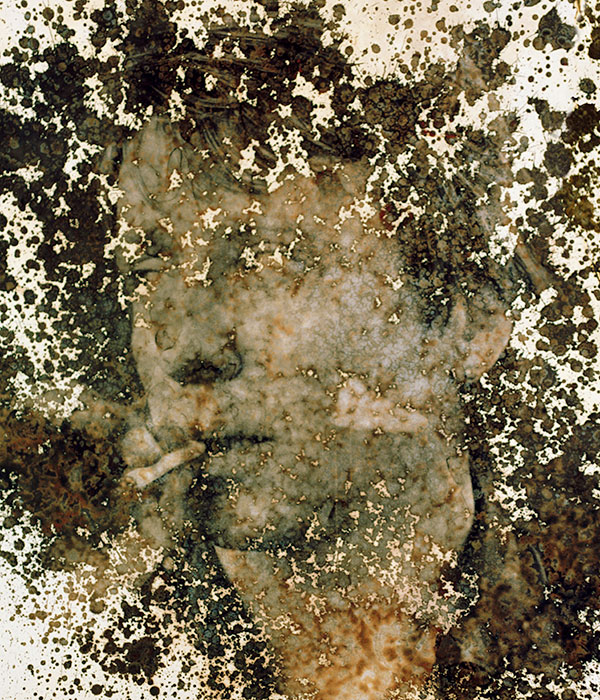
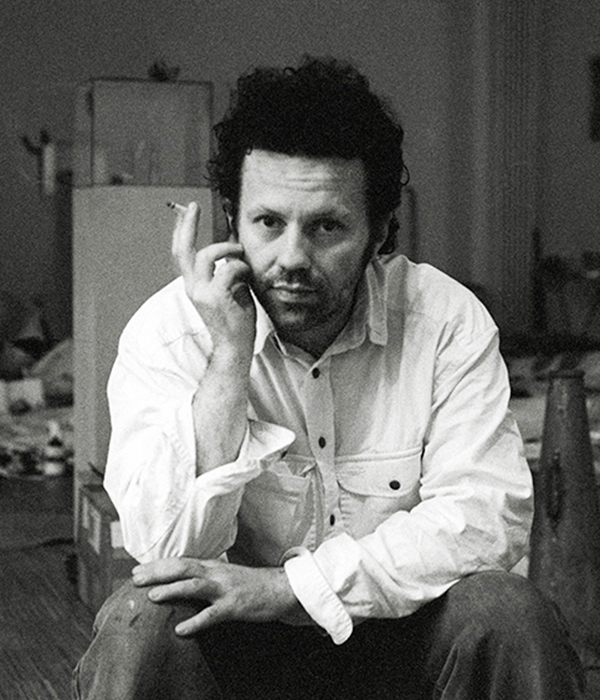
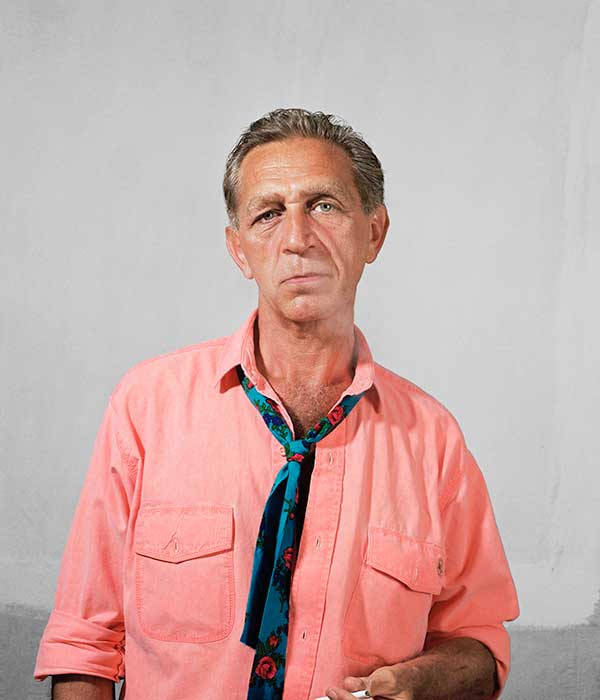
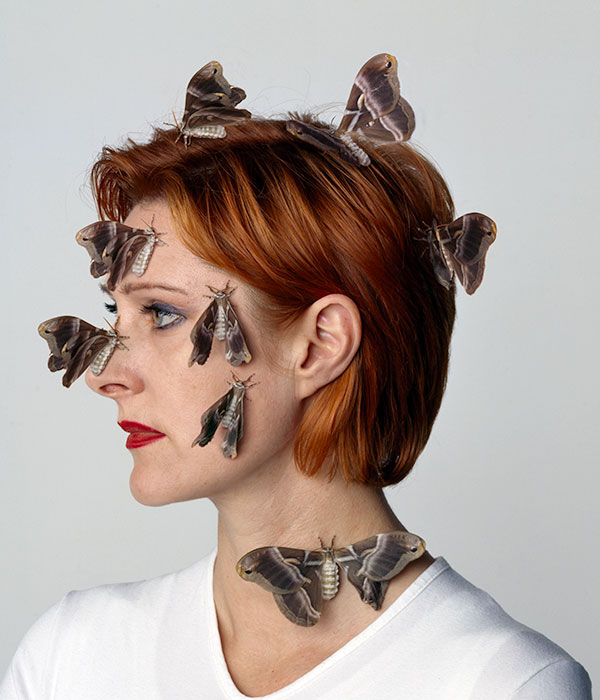
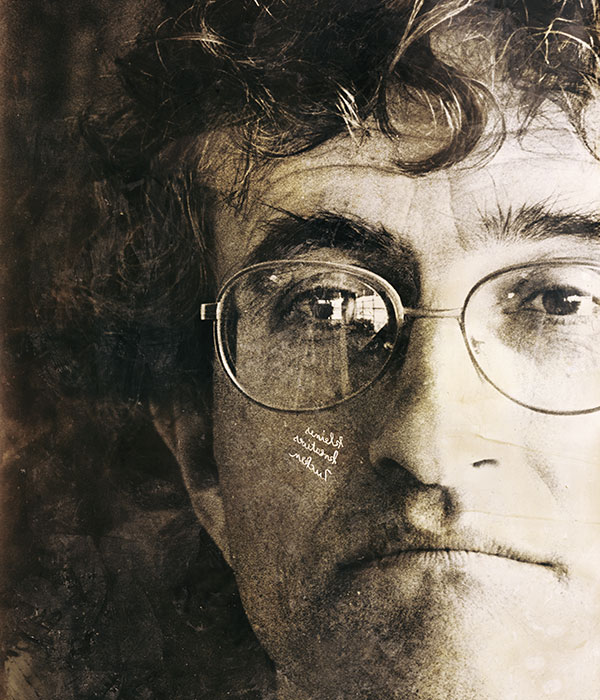
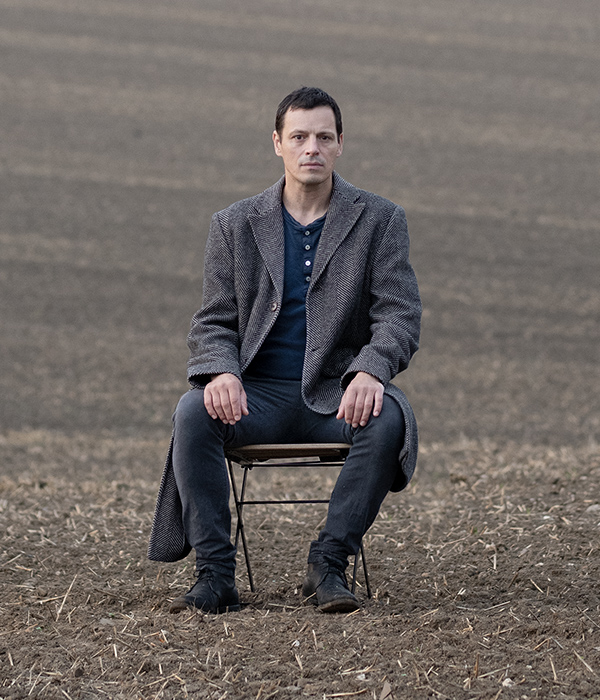
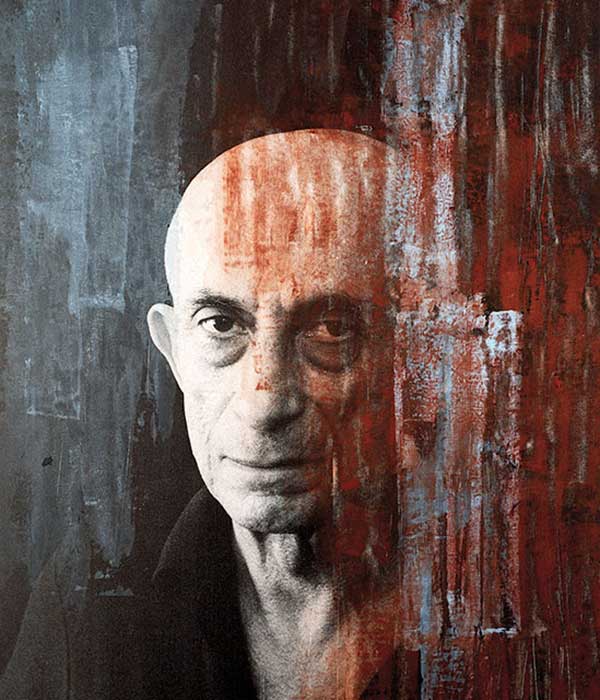
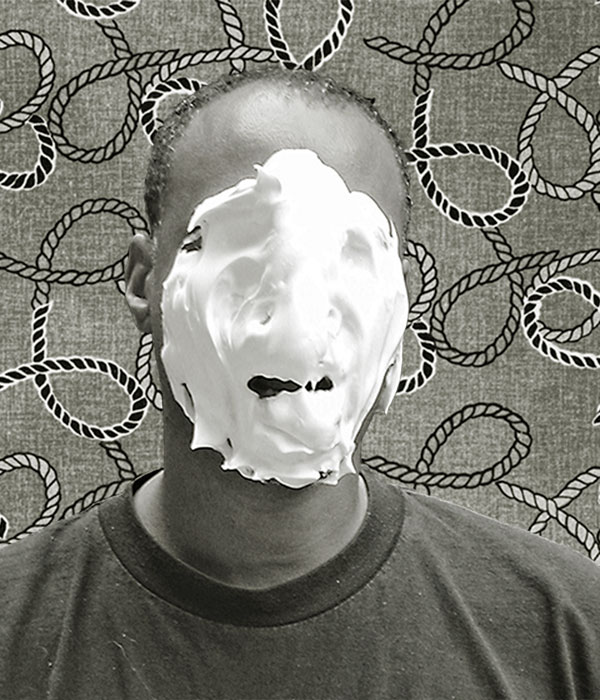
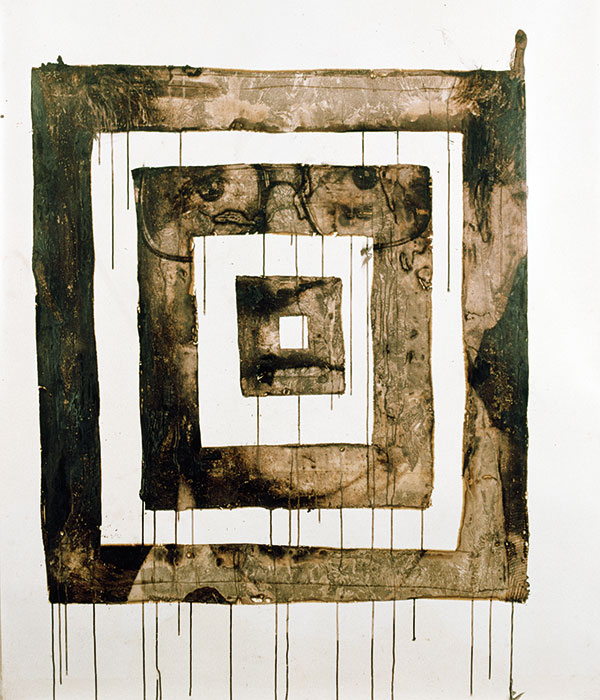
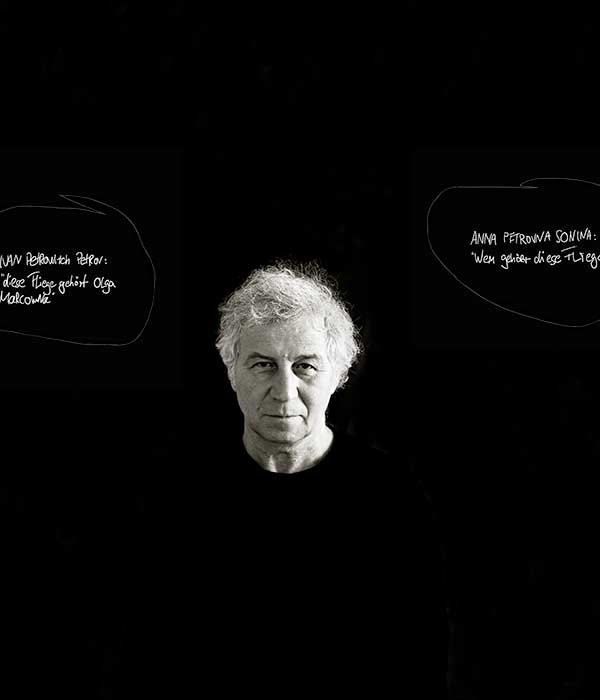
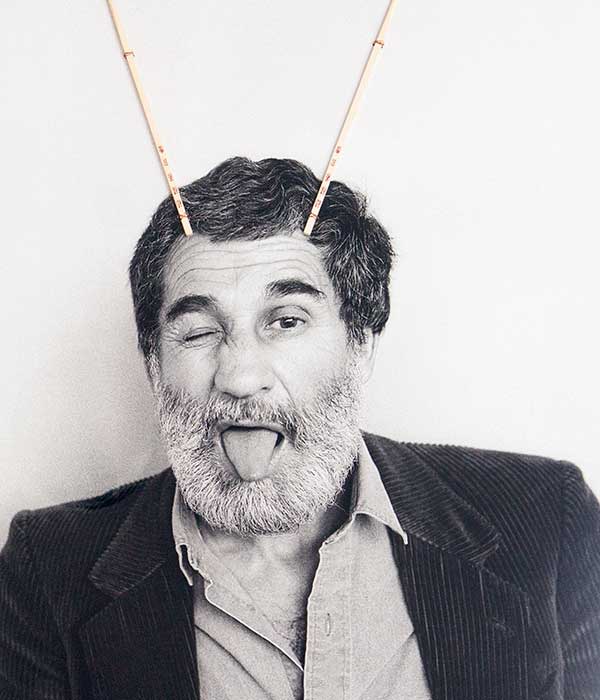
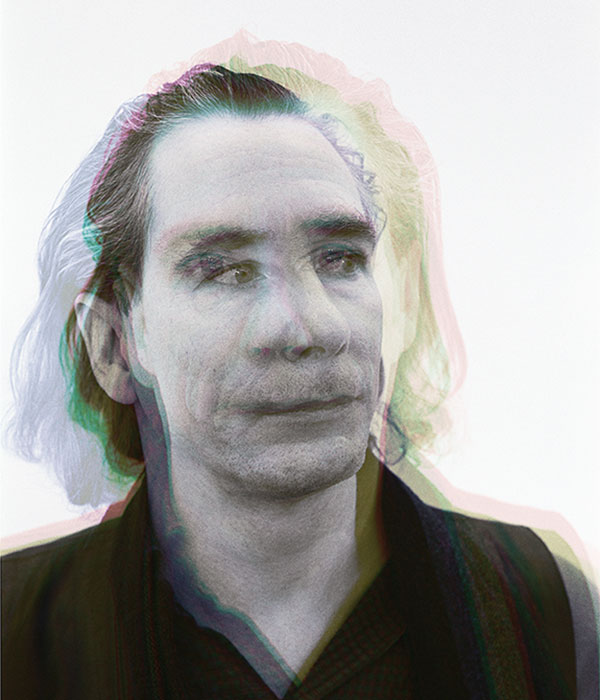
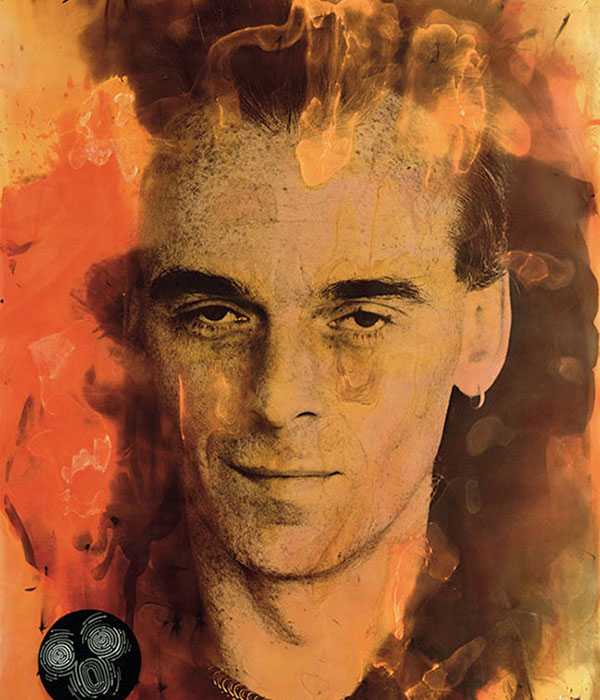

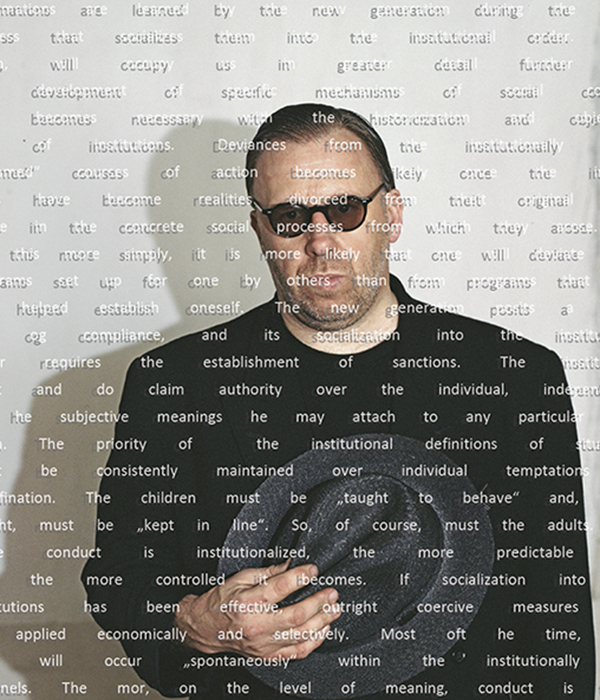
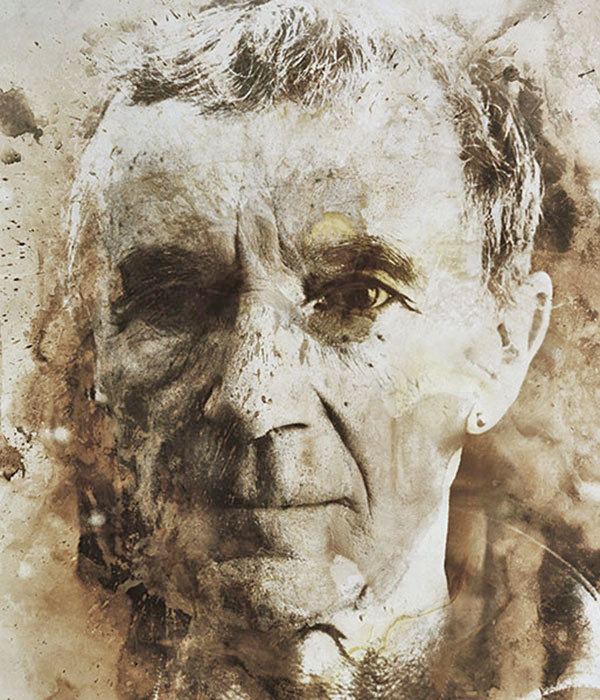
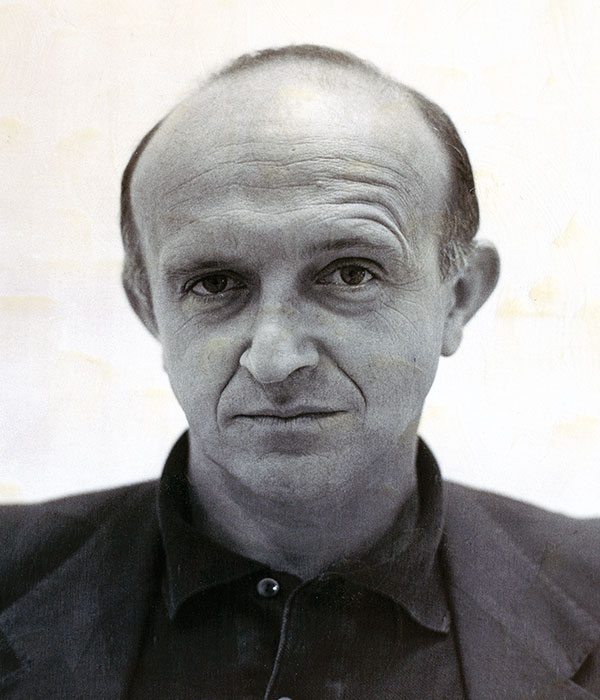
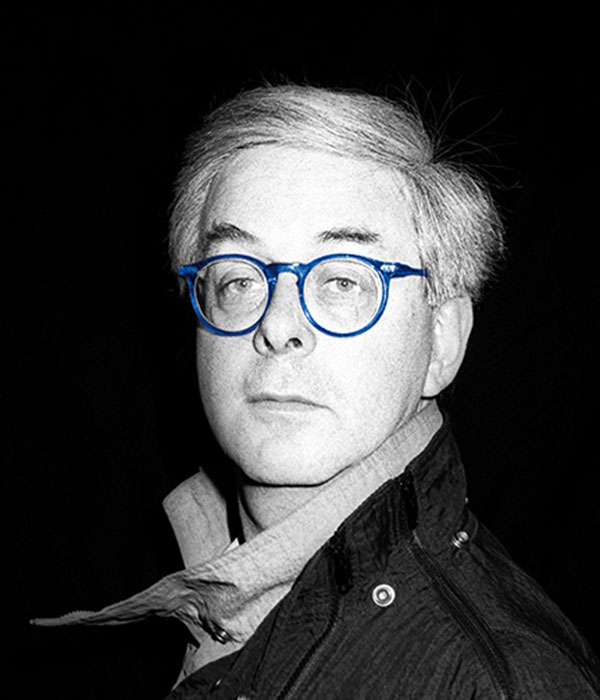
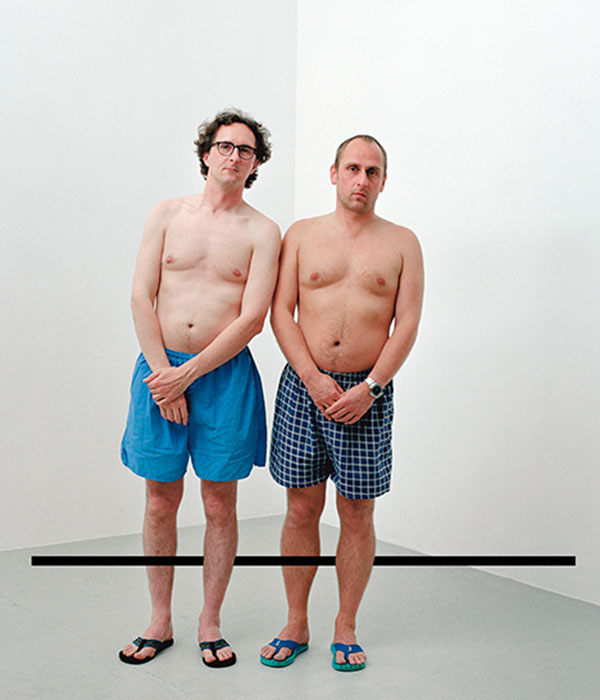
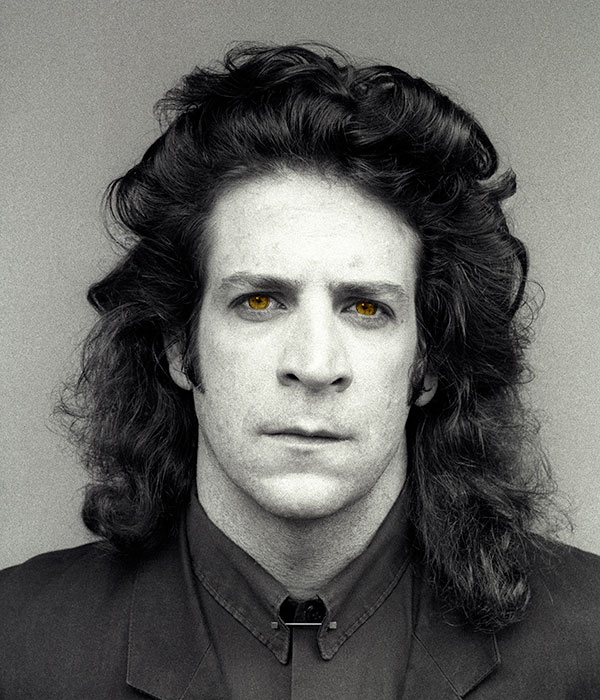
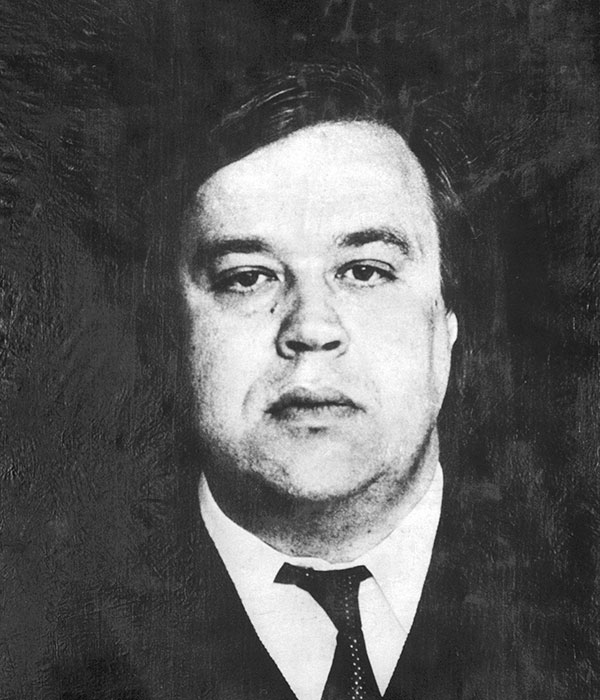
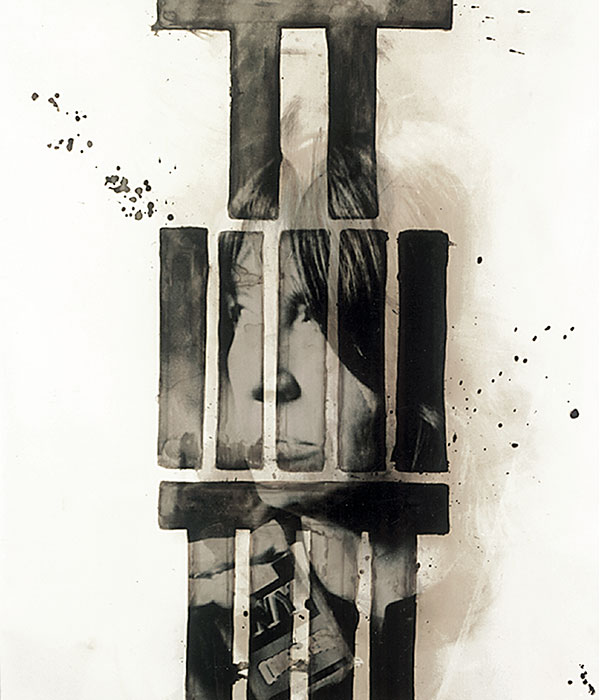
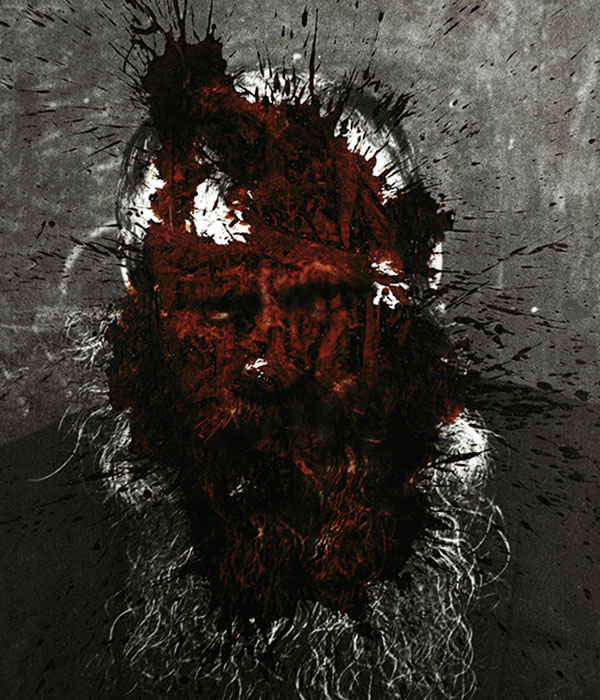
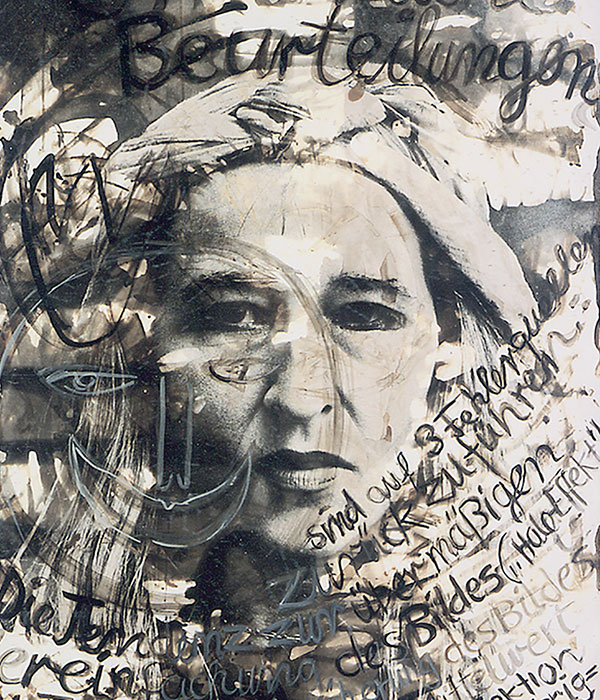
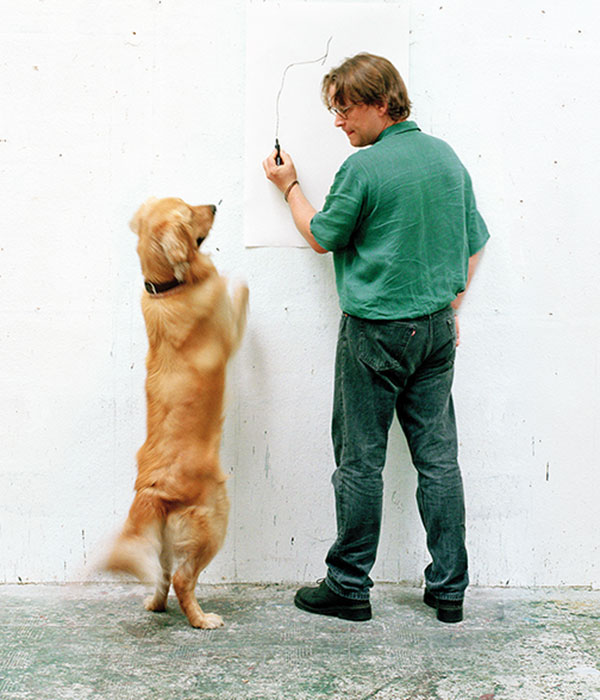
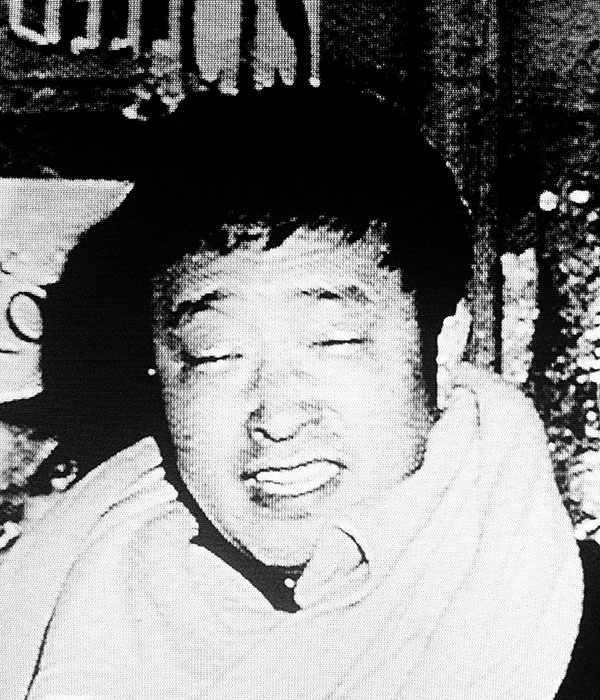
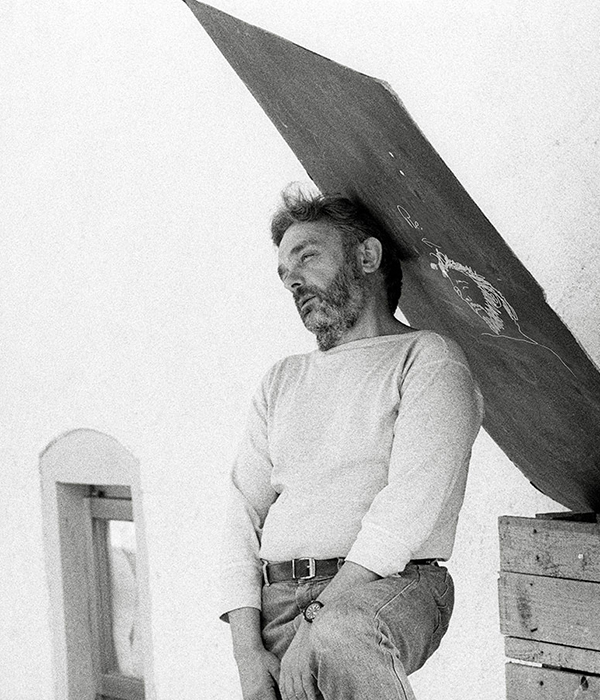
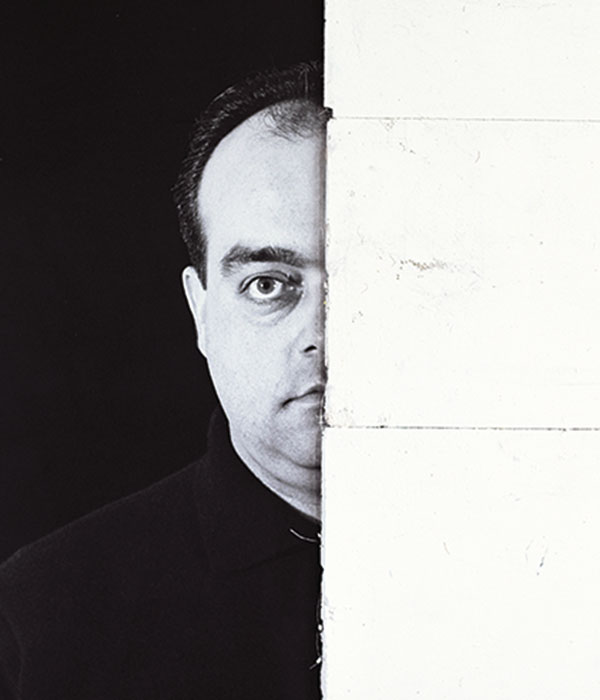
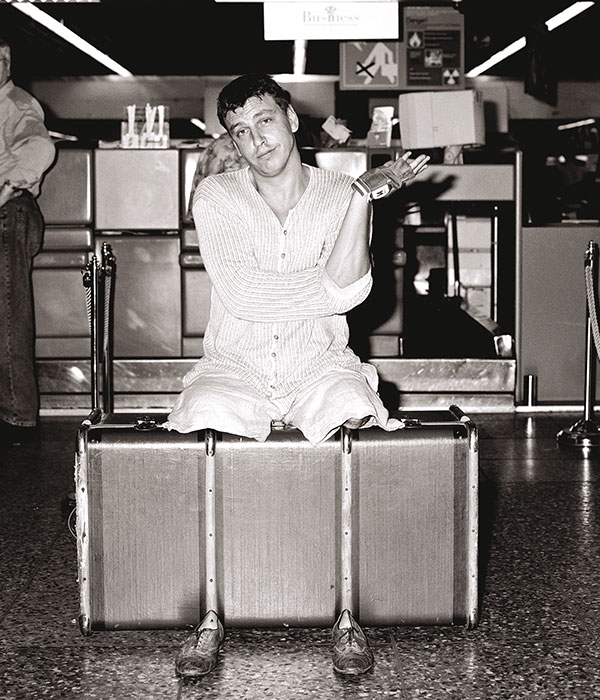
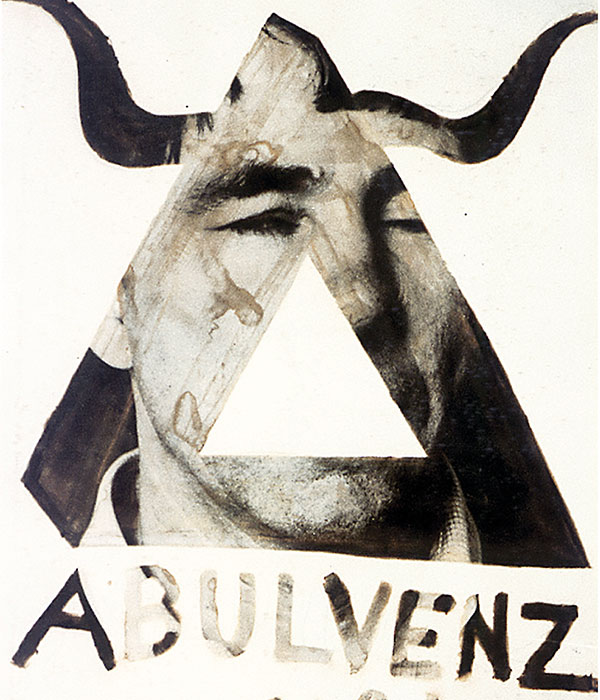
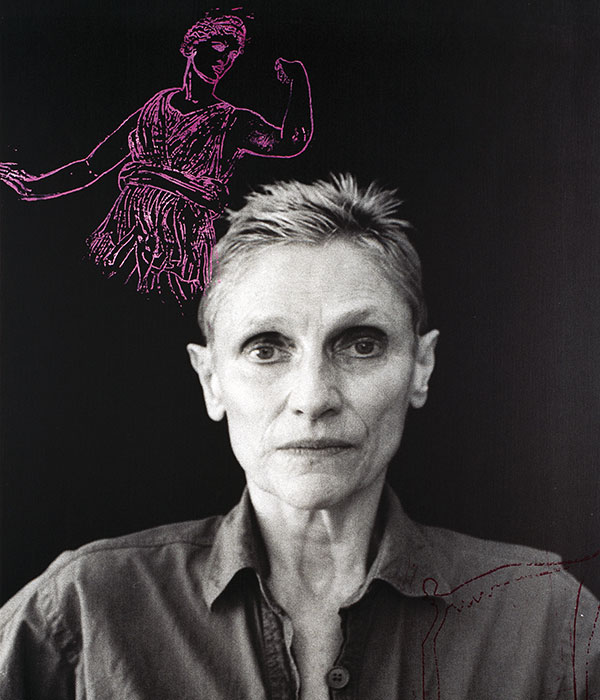
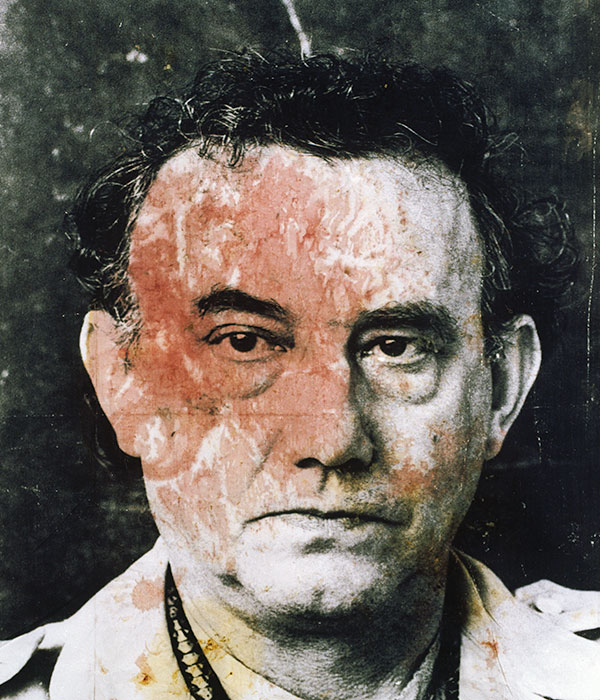
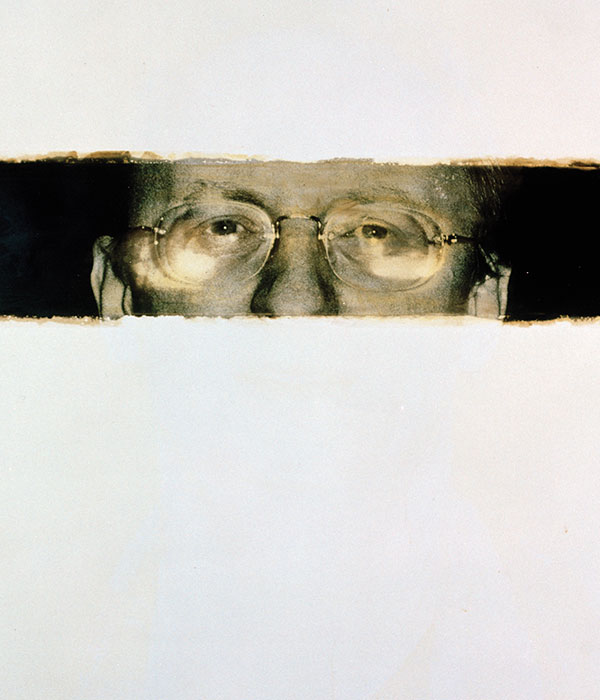
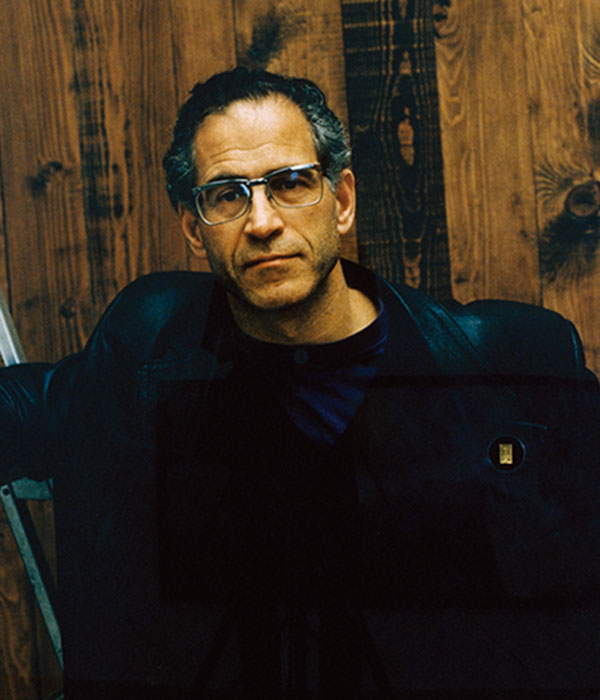
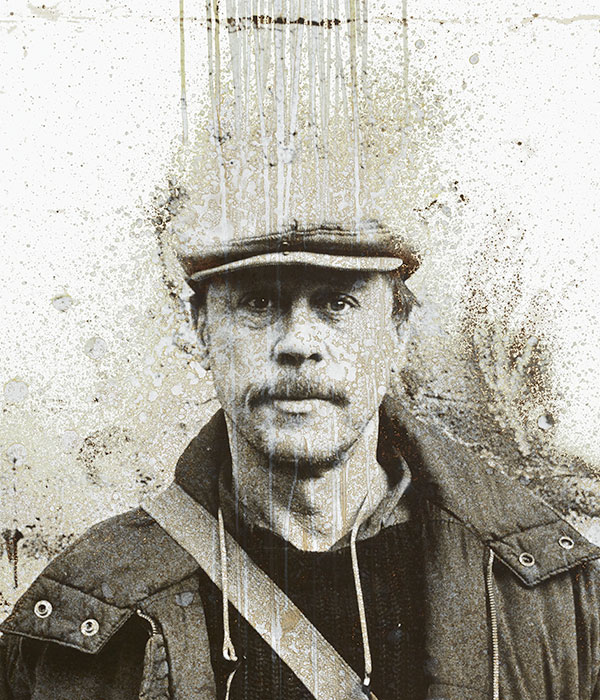
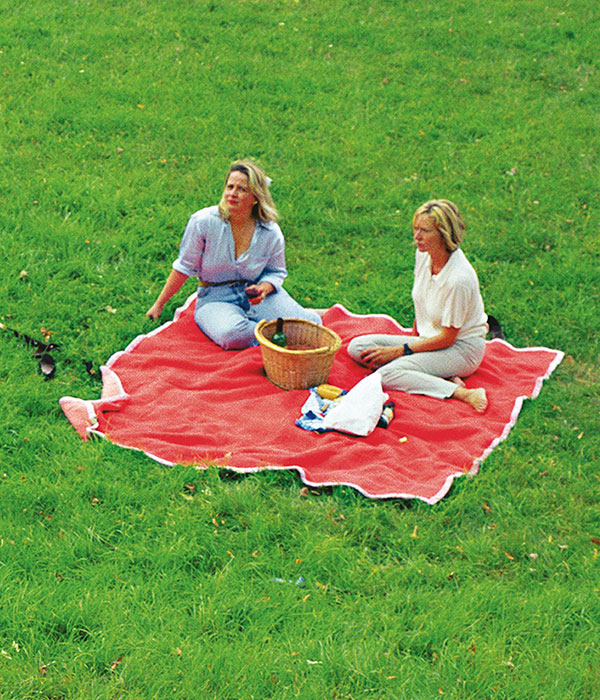
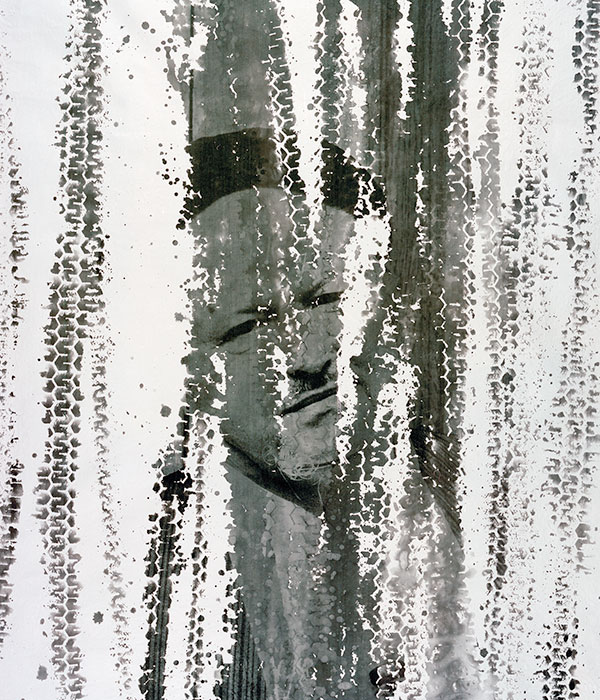
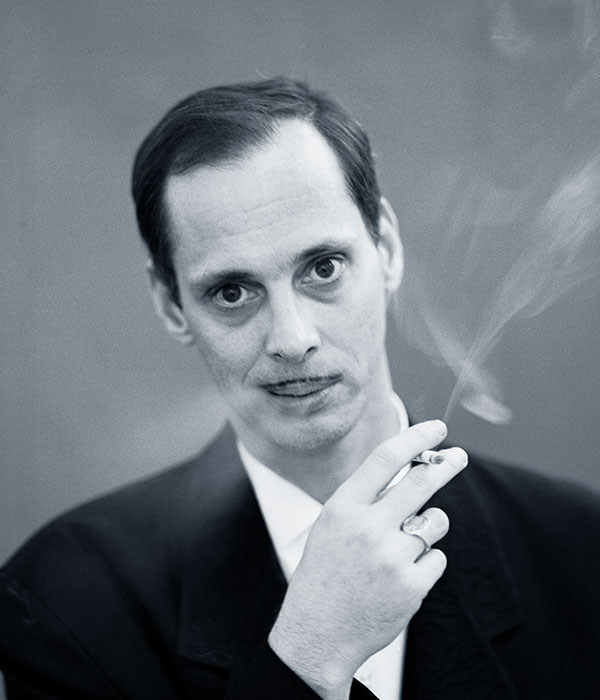
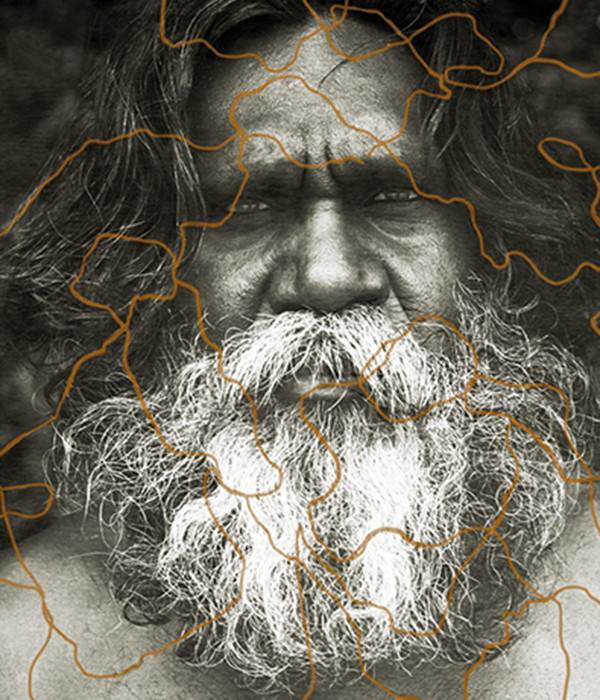
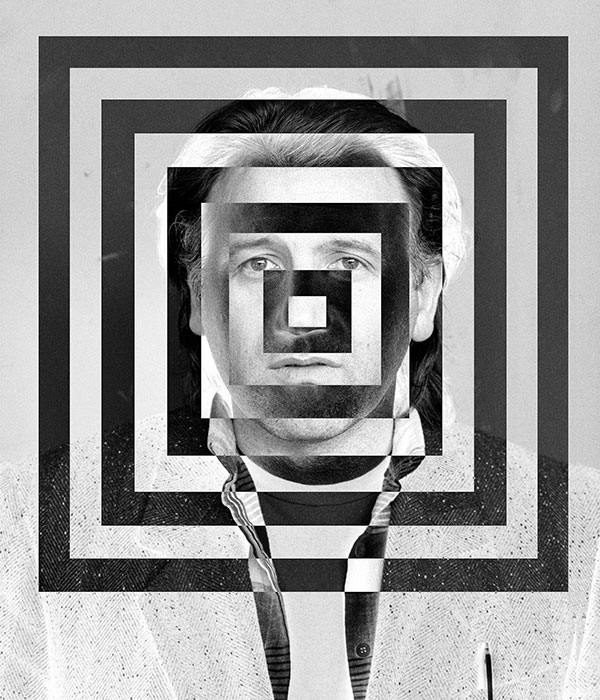
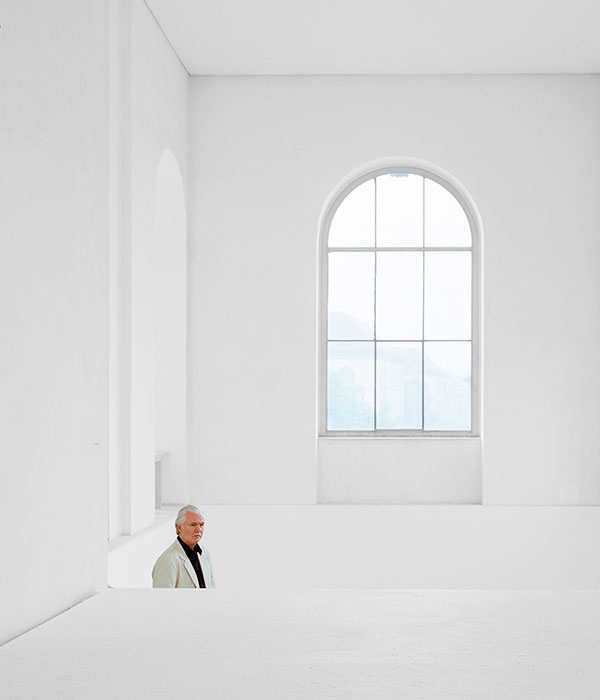
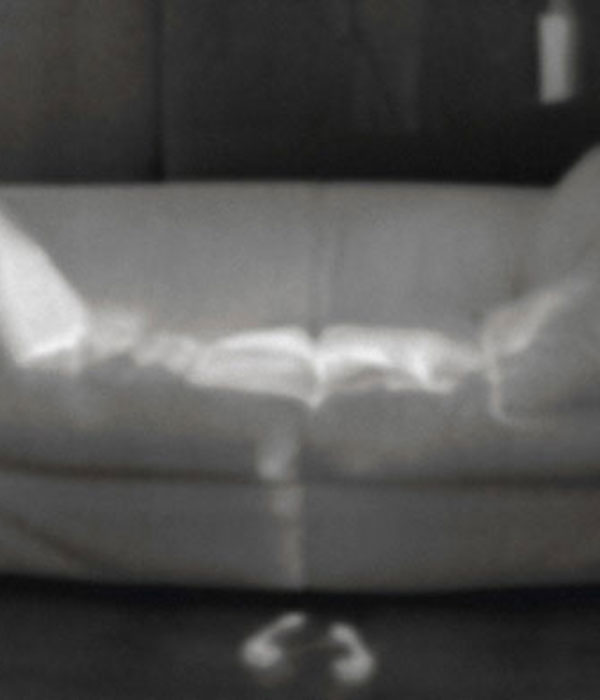
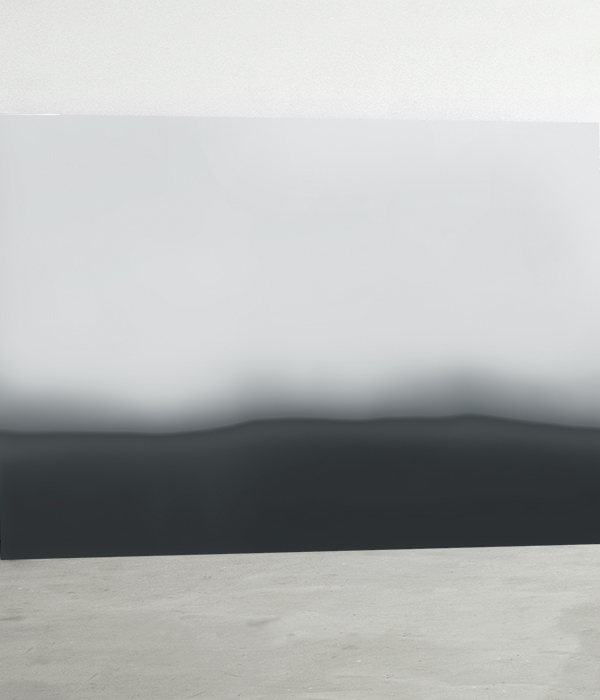
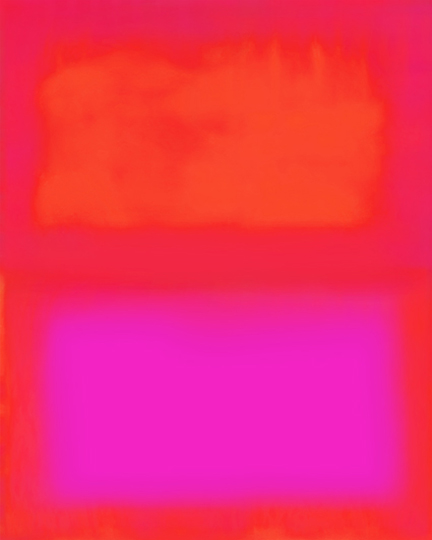
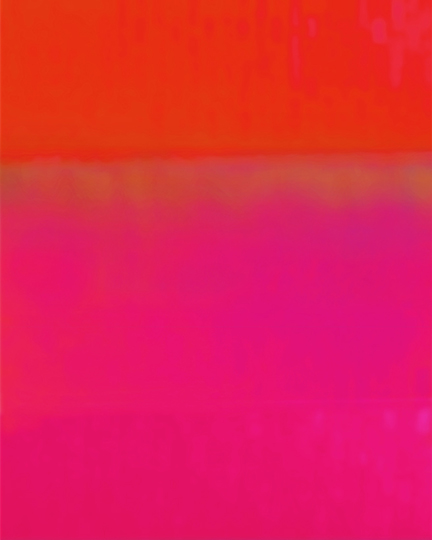
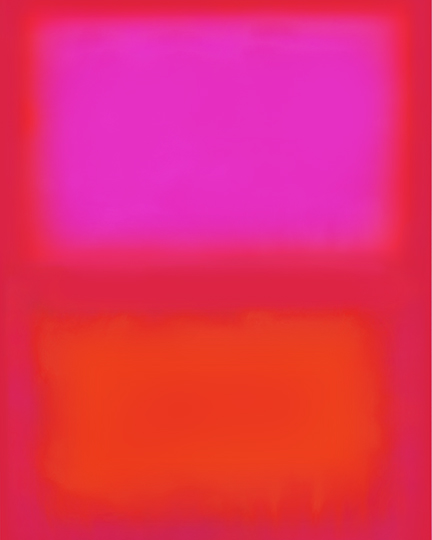
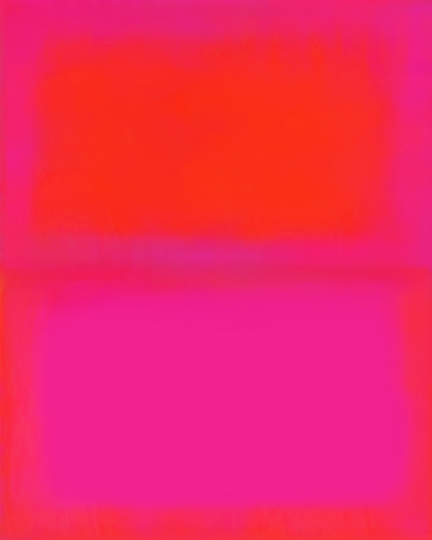
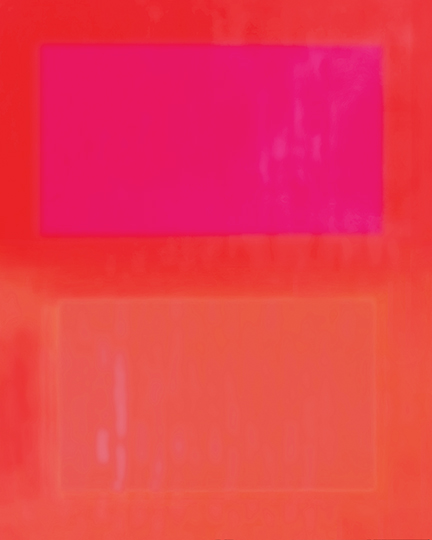
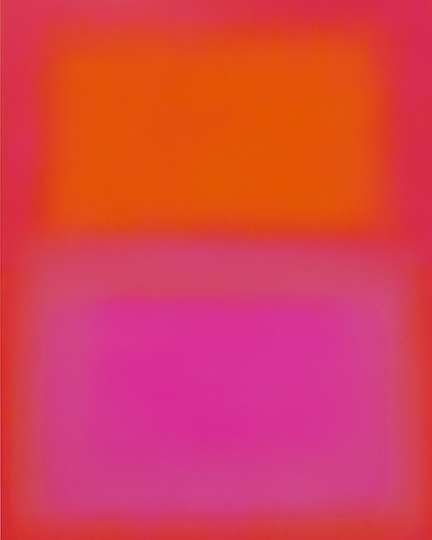
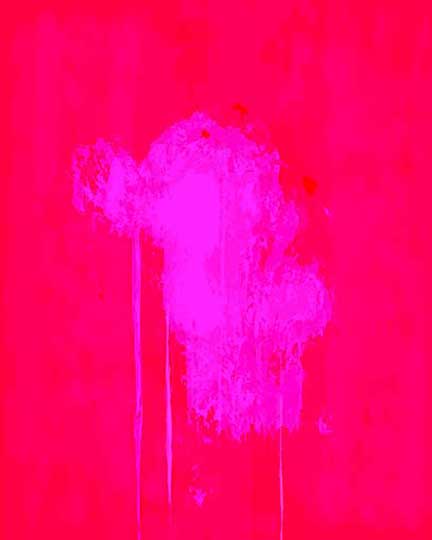
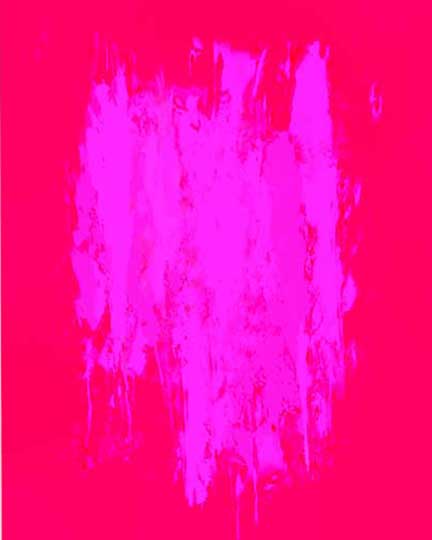
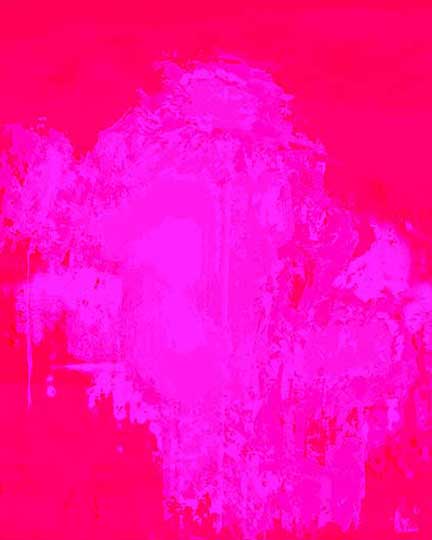
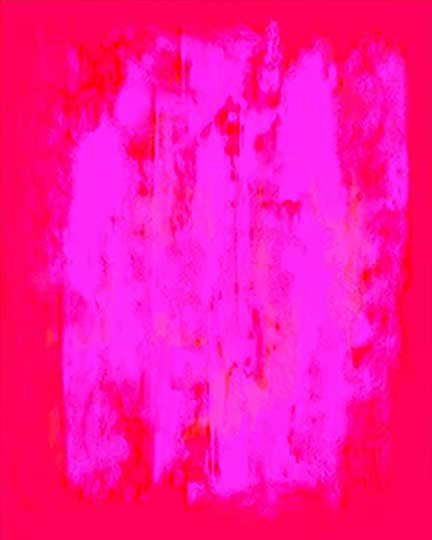
Collaborations versammelt rund 80 kollegiale künstlerische Begegnungen und macht sichtbar, wie Austausch, Zusammenarbeit und gegenseitige Einflussnahme selbst zum Material fotografischer Bilder werden können. Entstanden zwischen den frühen 1980er- und späten 1990er-Jahren, versteht das Projekt Begegnung nicht als Motiv, sondern als bildbildenden Prozess.
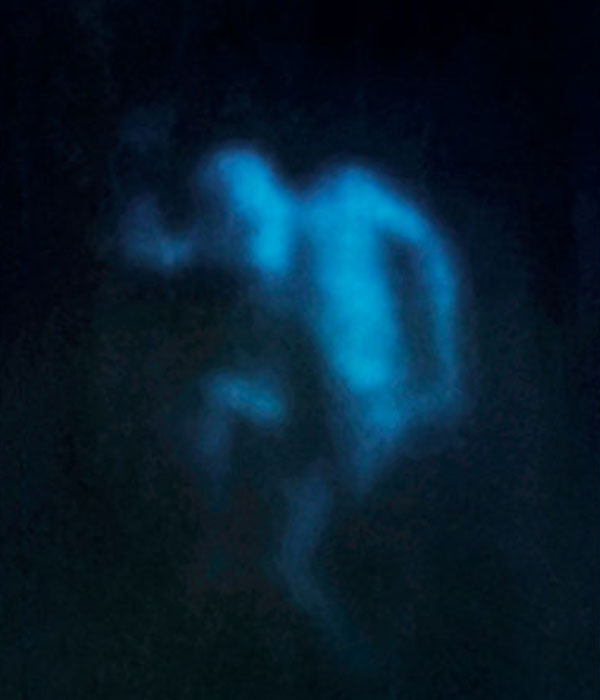
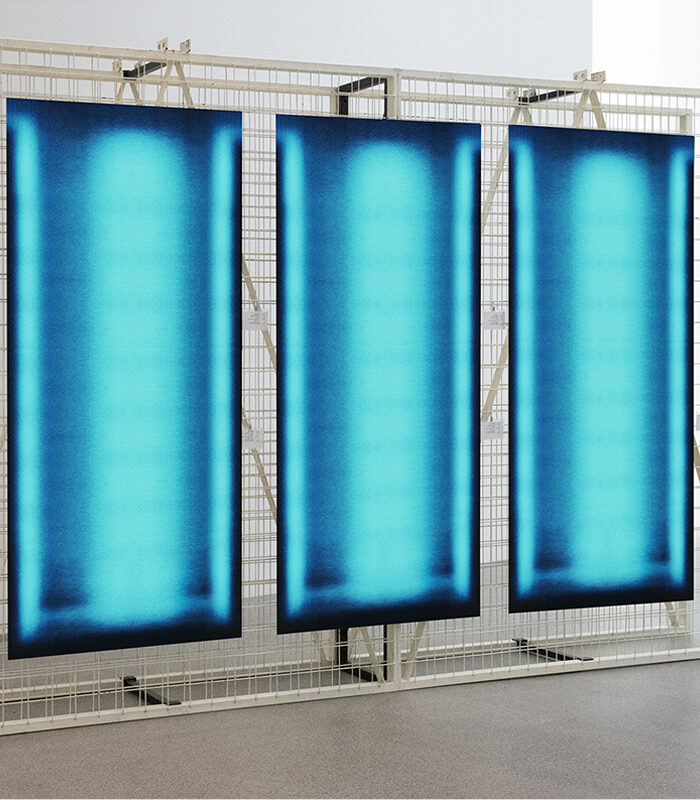
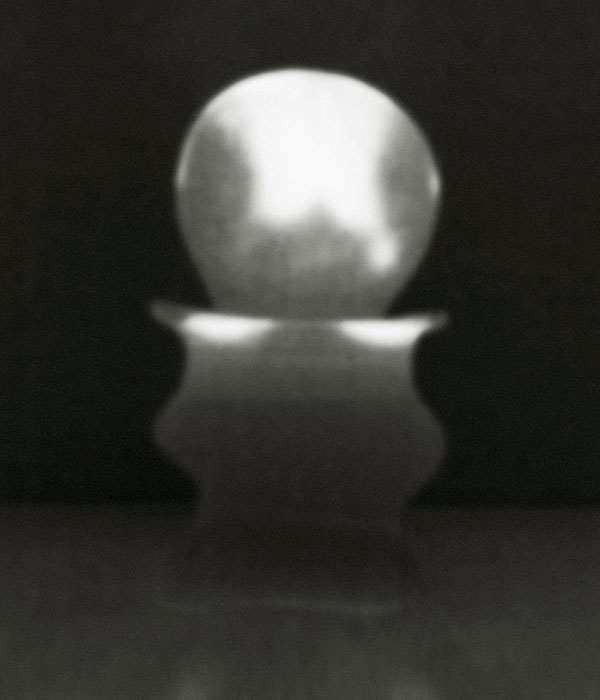
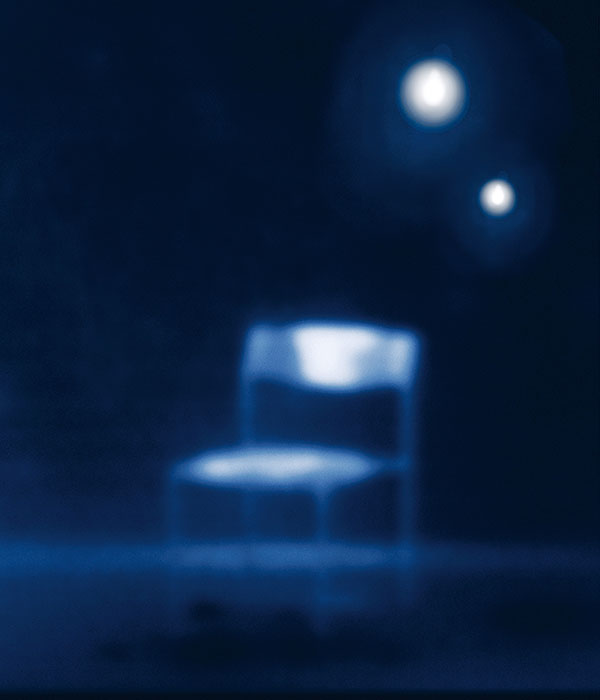
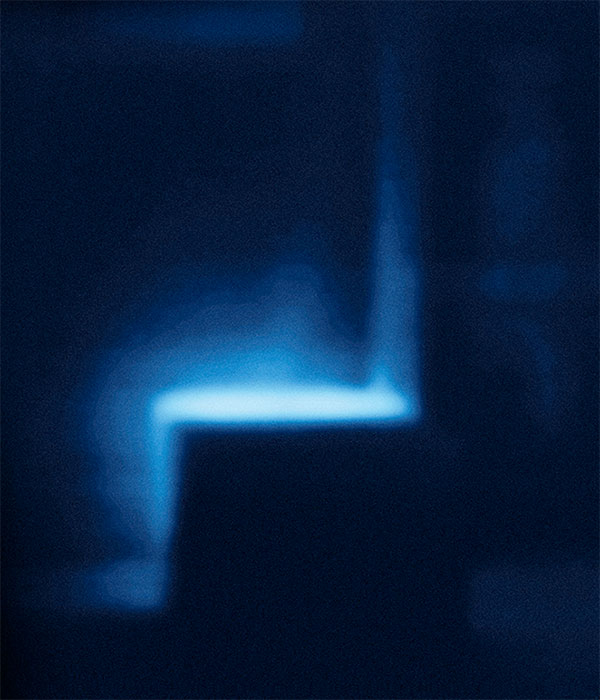
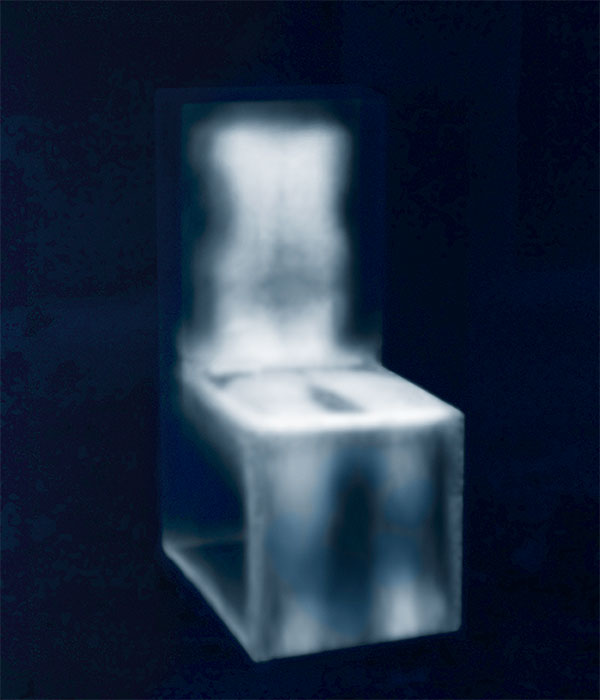
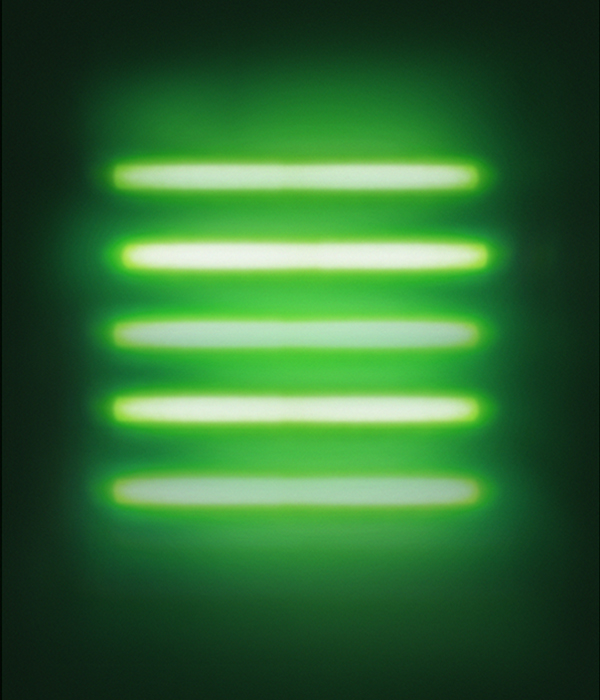
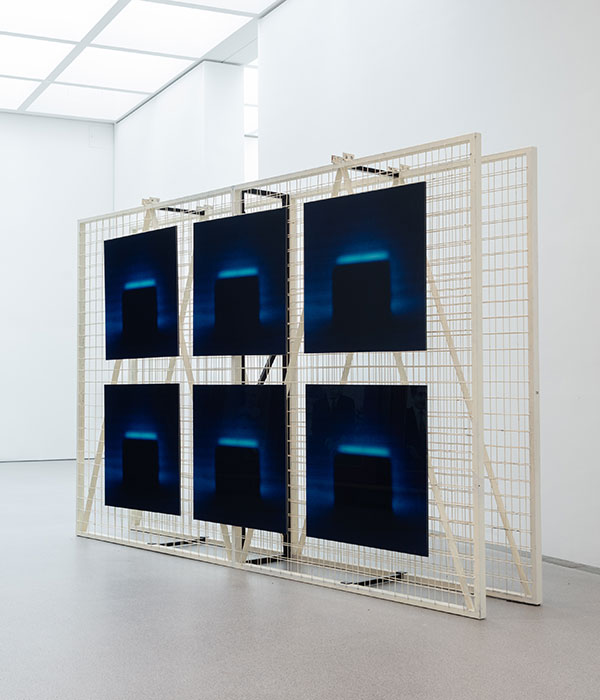
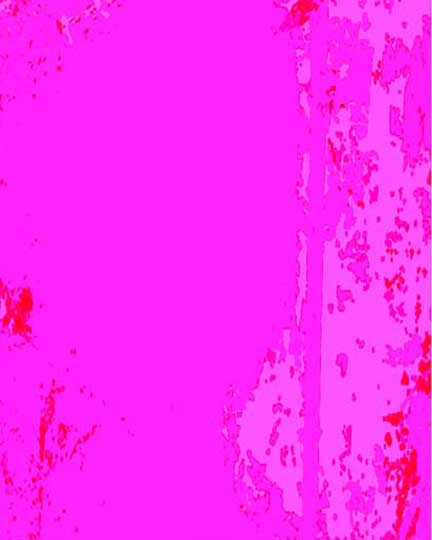
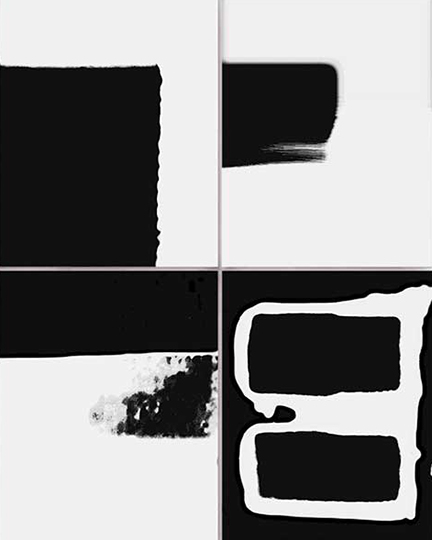
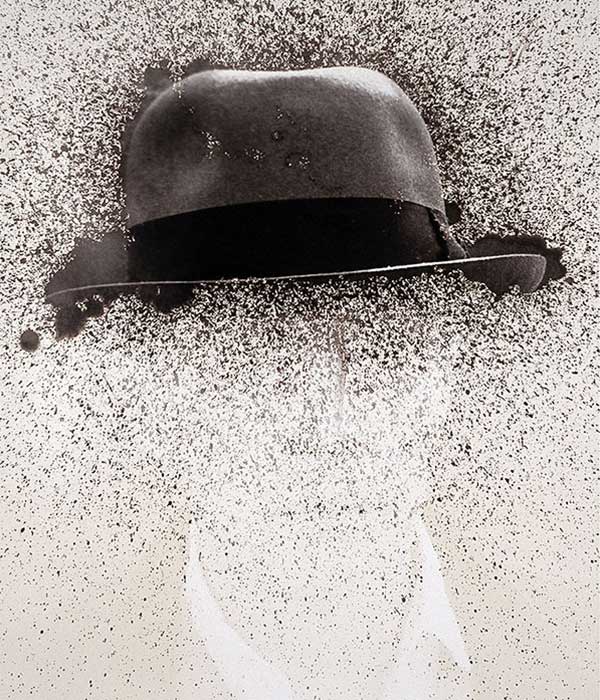
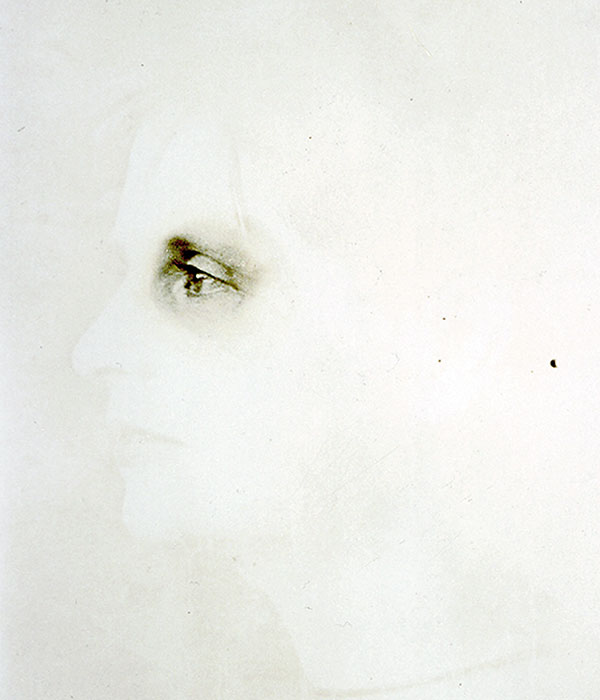
Ausgangspunkt war eine experimentelle Erweiterung der Fotografie. In Zusammenarbeit mit Chemikern entstand ein Verfahren, bei dem entwickelte Fotografien zunächst unsichtbar gemacht und unter Tageslicht wieder sichtbar werden konnten. Dadurch verlagerte sich die Bildentstehung aus der Dunkelkammer in den öffentlichen Raum und wurde selbst zum Ereignis.
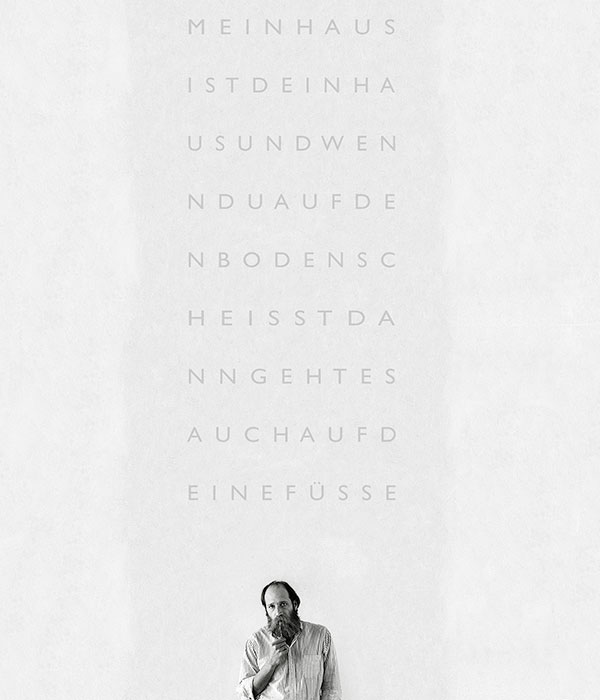
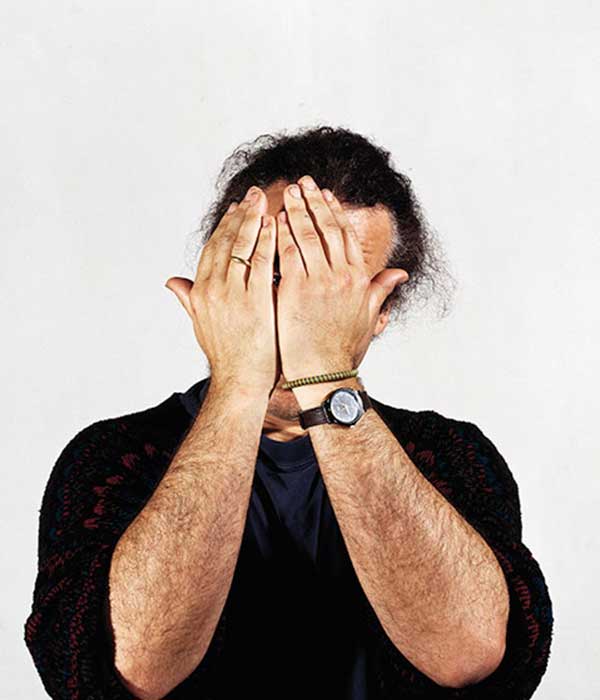
Die Gesten, Materialien und Interventionen von rund 80 Künstlerkolleginnen und -kollegen flossen unmittelbar in den fotografischen Prozess ein. Fotografie wurde zu einem Ort der Begegnung, der Handlung und der Transformation. Das Bild erschien weniger als abgeschlossenes Objekt denn als Ergebnis eines gemeinsamen Geschehens.
Die Arbeiten entstanden im Umfeld der internationalen Konzept-, Performance- und Medienkunst und spiegeln die Offenheit und Experimentierfreude der Kunstszenen in Europa und den USA jener Zeit wider.
Aus heutiger Perspektive wirken viele der damals entwickelten Ansätze überraschend aktuell. Fragen nach kollektiver Autorschaft, Partizipation, Prozesshaftigkeit und der sozialen Produktion von Bildern stehen heute erneut im Zentrum des Kunstdiskurses – ebenso wie die Rolle von Netzwerken, Kooperationen und künstlicher Intelligenz bei der Entstehung von Bildern. Collaborations greift diese Fragestellungen vorweg und versteht das fotografische Bild als offenen Raum, in dem Bedeutung durch Austausch, Handlung und Beziehung entsteht.
Die Arbeiten sind damit nicht nur Zeugnisse einer bestimmten Epoche, sondern frühe Beispiele eines erweiterten Bildbegriffs, der bis heute zentrale Debatten der Gegenwartskunst berührt.
Collaborations brings together some 80 collegial artistic encounters and reveals how exchange, collaboration, and mutual influence can themselves become the material of photographic images. Created between the early 1980s and the late 1990s, the project views encounter not as a subject but as an image-forming process.
The starting point was an experimental expansion of photography. In collaboration with chemists, a process was developed in which developed photographs were first rendered invisible and could then be made visible again under daylight. As a result, the creation of the image shifted from the darkroom to public space and became an event in itself.
The gestures, materials, and interventions of some 80 fellow artists flowed directly into the photographic process. Photography became a site of encounter, action, and transformation. The image appeared less as a finished object than as the result of a shared event.
These works emerged within the context of international conceptual, performance, and media art, reflecting the openness and spirit of experimentation that characterized the art scenes in Europe and the United States at that time.
From today’s perspective, many of the approaches developed back then seem surprisingly relevant. Questions of collective authorship, participation, processuality, and the social production of images are once again at the center of art discourse today—as is the role of networks, collaborations, and artificial intelligence in the creation of images. Collaborations anticipates these questions and understands the photographic image as an open space in which meaning emerges through exchange, action, and relationship.
The works are thus not only testimonies to a specific era, but early examples of an expanded concept of the image that continues to touch on central debates in contemporary art to this day.